info@sandmancrusher.com
+86 150 9289 4665

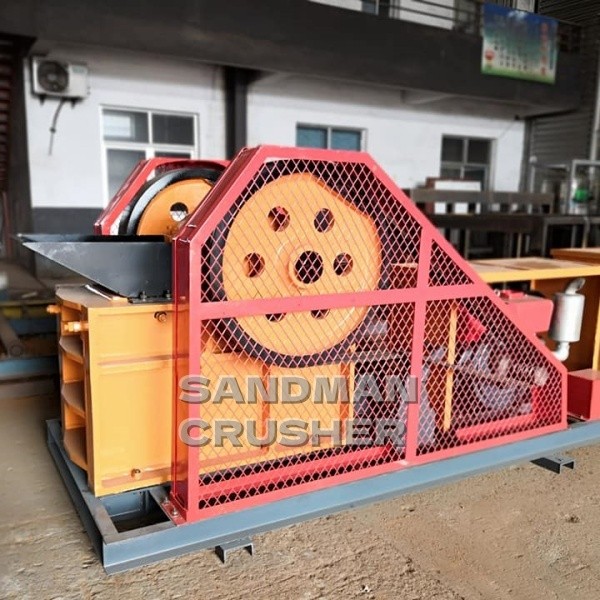
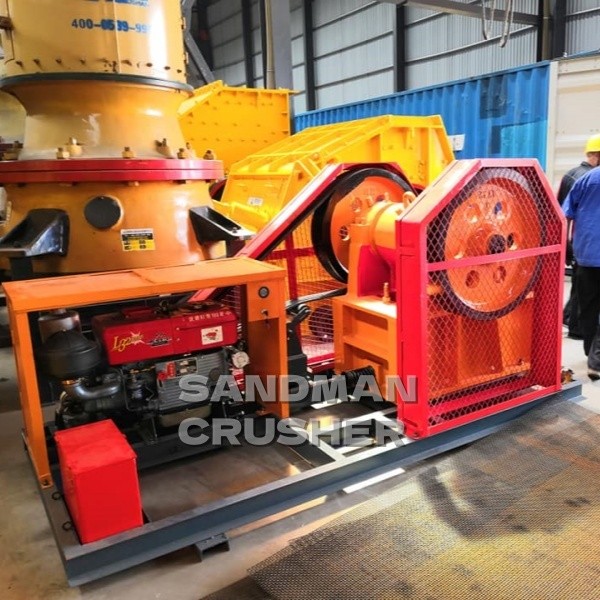
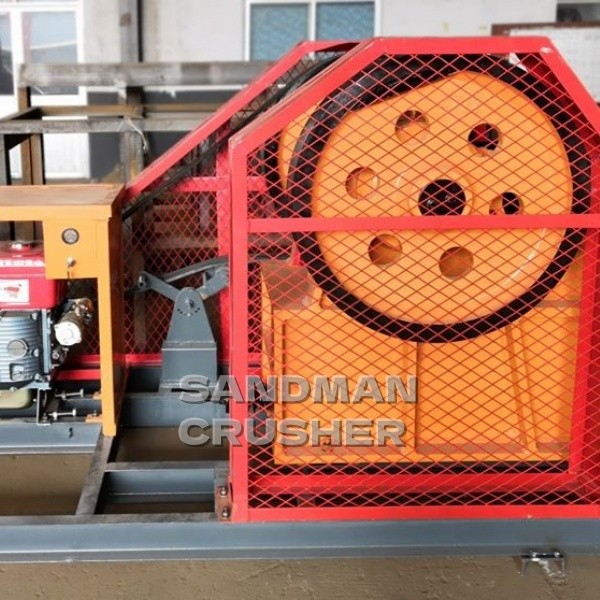
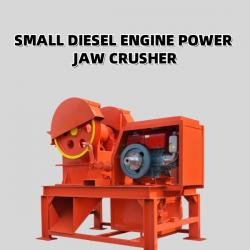
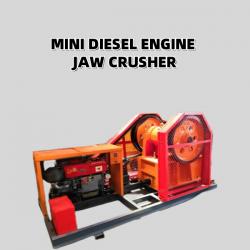
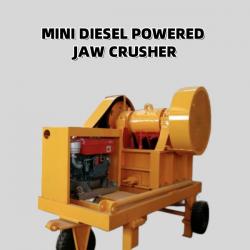
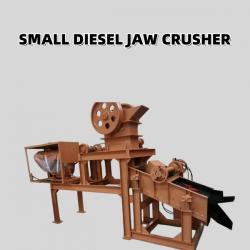
The PE250×400 diesel powered small jaw crusher is a flagship model in the PE series of small compound-pendulum jaw crushers. It is used for crushing medium to hard stones, such as granite, basalt, river stones. etc
I. What Is the D2540 Diesel-Powered Small Jaw Crusher?
The PE250×400 diesel-powered small jaw crusher is a top-selling model in our PE series.
We designed it specifically for jobsites that have no access to electricity.
Instead of a three-phase electric motor, it uses a diesel engine.
That frees this small jaw crusher from power lines, while still giving you strong crushing performance and easy mobility.
It works as a primary crusher for small mines, rural roads, on-site construction waste recycling, and field aggregate production.
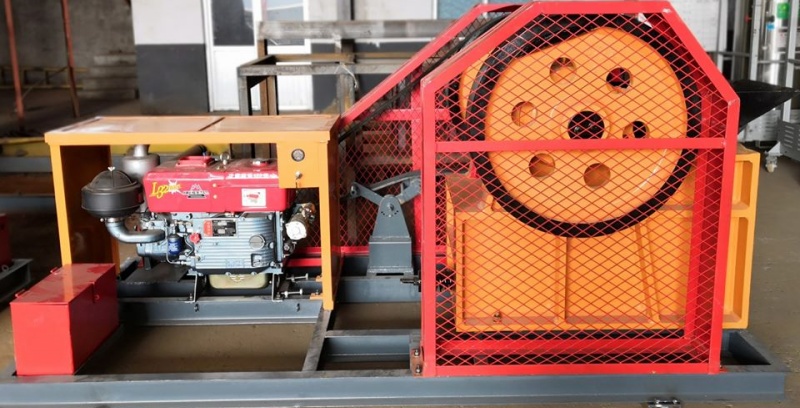
The numbers “250×400” tell you the feed opening size: 250 mm by 400 mm.
This small jaw crusher is compact and highly adaptable for lower output needs.
It weighs 3 tons and measures 1300×1090×1270 mm, so it takes up very little space.
Its hourly capacity stays steady at 10 to 20 tons.
That perfectly suits independent contractors, small mining sites, and township road projects.
Traditional electric jaw crushers need 380V industrial power.
But in remote mountains, river dredging sites, disaster areas, or open-pit mines, running power cables is often impossible.
Without power, construction stops or costs skyrocket.
Our diesel-driven PE250×400 small jaw crusher solves that problem completely.
It comes with a 15 kW diesel power unit that delivers stable output.
You just fill it with standard diesel fuel, which is easy to get anywhere.
You don’t need any power distribution boxes, cables, or transformers.
This small jaw crusher works on its own, saving you a lot of setup cost and time.
That’s why it’s widely used in off-grid mining areas and mountain infrastructure projects across Africa, South America, and other regions.
Technical Parameters
| Model | D2540 |
| Crusher type | Single toggle jaw crusher |
Crusher model | PE250x400 |
Max feed size max.(mm) | 210 |
Processing capacity(US t/h) | 10-20 |
Final aggregates size(mm) | 0-20(Adjustable discharging sizes) |
Power supply unit | Diesel fuel engine |
Engine power (kw) | 23hp |
Oil consumption(L/h) | 4 |
Total weight approx. (kgs) | 3400 |
Overall size(LxWxH)(mm | 2900x1500x1400 |
| Configuration | Jaw crusher, Diesel fuel engine set, Support fram |
Note: Technical data are subject to change without prior notice.
II. Core Structure and Diesel Power System
(A) Main Structure of the Crusher Unit
This equipment uses a standard compound-pendulum jaw crushing design.
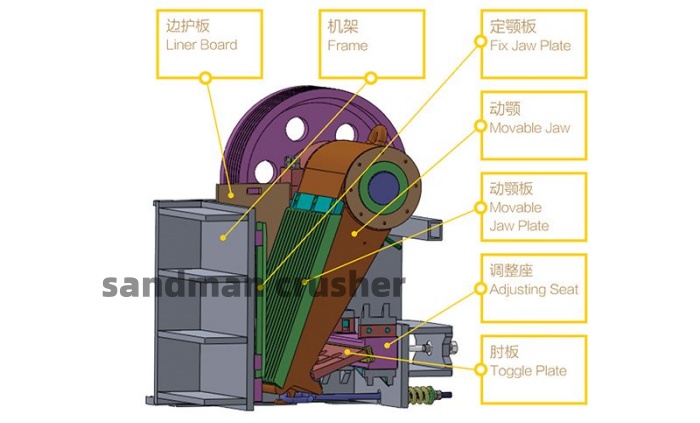
Its main parts include a heavy cast steel frame, an eccentric shaft, a movable jaw assembly, a fixed jaw, high-manganese steel wear plates, side liners, a toggle plate safety device, a flywheel/pulley, and a spring discharge adjuster.
All these parts are modular, so you can take them apart and put them back easily for maintenance.
Now let’s look at each key component.
1. Frame
The frame is welded from one piece of thickened steel plate and stress-relieved.
It resists high impact and vibration, so it won’t deform or crack even when you crush hard ores for a long time.
The bearing housings are reinforced to handle the high torque vibration that comes with a diesel engine.
That makes the whole small jaw crusher more durable.
2. Crushing Chamber
We optimized the chamber into a deep V-shape with no “dead zones.”
Material gets compressed and crushed progressively from top to bottom, so it never blocks or jams.
Feeding runs smoothly.
Compared to standard models of the same size, this small jaw crusher gives you about 15% higher throughput.
3. Wear Parts
The swing and fixed jaw plates are cast from ultra-high manganese steel and surface-hardened.
They have great compressive strength and wear resistance.
You can reverse them to use both sides, which doubles their service life.
The side liners are also thickened manganese steel to protect the frame from abrasion.
4. Safety Mechanism
The toggle plate does two jobs: it transmits power and also acts as an overload fuse.
If an uncrushable object like an iron chunk or rebar gets into the chamber, the toggle plate breaks first.
That absorbs the impact and protects the expensive eccentric shaft and frame.
This safety feature prevents major damage and saves you from costly repairs.
5. Discharge Adjustment Device
We use a shim-based gap adjustment system with a range of 20 to 80 mm.
You simply swap shims of different thicknesses to control the final particle size precisely.
This small jaw crusher lets you meet different aggregate requirements for various projects.
The system is very user-friendly – one operator can adjust the size in just ten minutes.
(B) Diesel Power Transmission System
The complete diesel power unit comes pre-assembled on a base at the side of the equipment.
We ship it as one whole package, so you don’t need to assemble anything on site.
That shortens the time from delivery to first startup significantly.
The system includes the diesel engine, fuel tank, cooling water tank, clutch, drive pulley, vibration-damping base, and a silencer.
1. Diesel Engine
We equip it with a standard 15 kW single-cylinder diesel unit.
Its rotation speed matches the crusher’s eccentric shaft at 300 r/min, giving you plenty of torque.
Cold-start performance is reliable – it can start even at -10°C in the field.
The fuel tank is large enough for 8 to 10 hours of continuous operation, so you don’t have to refuel often.
An independent water-cooling system prevents overheating during long, full-load crushing.
That makes this small jaw crusher suitable for hot outdoor environments.
2. Vibration-Damping Base
We install thick rubber pads between the engine and the crusher frame.
These pads isolate the diesel engine’s vibrations from the crushing unit.
That reduces overall resonance and keeps bolts from loosening.
It also extends the life of bearings and the main shaft.
3. Transmission Mechanism
We use high-strength V-belts to drive the crusher.
The belts buffer the diesel engine against sudden shock loads.
Unlike rigid couplings, this protects both the engine crankshaft and the eccentric shaft.
You can easily adjust belt tension, making maintenance simple.
We also add dual flywheels to store energy.
They balance the impact forces from the moving jaw’s reciprocating motion, ensuring smooth running, uniform output, and less dust.
III. How Does This Small Jaw Crusher Work?
Start the diesel engine, and it turns the pulley, which rotates the eccentric main shaft.
That shaft makes the movable jaw move in a compound swinging motion – both up-and-down and back-and-forth.
When the swing jaw moves toward the fixed jaw, it squeezes, splits, and grinds the stones or ore inside the V-shaped chamber.
Large pieces break down step by step.
Then the eccentric shaft pulls the swing jaw back and upward, widening the gap at the bottom.
The crushed fine material falls out through the discharge opening by gravity.
As the diesel engine runs at a steady speed, the swing jaw keeps repeating feed, crush, and discharge cycles.
That gives you continuous, automated crushing.
The crushing principle of this diesel-powered small jaw crusher is exactly the same as the electric version.
The only difference is where the power comes from.
The diesel engine gives you stable, constant torque that doesn’t drop due to voltage fluctuations.
That means you won’t suffer power loss or reduced output like you might with electric motors in remote areas.
You also get a speed control lever on the power system.
You can adjust engine speed based on material hardness and production needs.
For hard granite, increase speed for more crushing force.
For softer limestone, lower speed to save fuel – giving you a good balance between productivity and economy.
IV. Key Technical Specifications at a Glance
· Feed opening size: 250 × 400 mm
· Max feed size: 210 mm
· Discharge adjustment range: 20 – 80 mm
· Capacity: 10 – 20 tons per hour (higher for soft materials like limestone, lower for basalt or granite)
· Power: 15 kW diesel engine
· Eccentric shaft speed: 300 r/min
· Total weight: 3,000 kg
· Max material compressive strength: ≤320 MPa
· Drive: V-belt with shock absorption
· Safety: toggle plate overload protection
· Mobility: optional two-wheel or four-wheel towable chassis – you can tow it with a vehicle and move it anywhere.
V. What Materials Can It Crush? And Where Is It Used?
(A) Crushable Materials
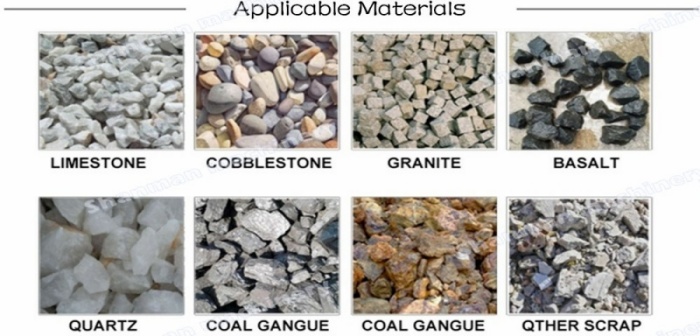
This small jaw crusher handles all brittle solids with compressive strength up to 320 MPa.
It covers three main categories:
· Metal ores – limestone, granite, basalt, river pebbles, quartz, iron ore, copper ore, gold ore, shale, coal gangue, coke, slag.
· Construction stone – bluestone, marble, sandstone, cobblestones.
· Solid waste – concrete blocks, waste bricks, cement blocks, broken pavement, and demolition debris.
You can recycle the crushed material as road base or backfill, turning waste into useful resource right on site.
(B) Main Application Fields
1. Small-scale individual mining – mountain mining sites, precious metal beneficiation, and off-grid raw stone processing.
2. Rural road and infrastructure – village road projects, slope protection, and irrigation ditches. You can crush local mountain stone into aggregate and save transport costs.
3. Construction waste recycling – crush demolition waste on site without hauling it away to landfills. Good for the environment and your budget.
4. Water conservancy and river works – crush riverbed cobbles during dredging or make aggregates for reservoir slope protection. Diesel power is ideal where there’s no grid.
5. Emergency rescue and repair – after landslides or road damage, quickly crush collapsed rock and broken pavement to restore traffic flow.
VI. What Makes This Diesel-Powered Small Jaw Crusher So Special?
1. Works anywhere without electricity – huge adaptability
This is the diesel model’s biggest advantage.
Whether you’re at a small mountain quarry, a river sand site, a rural road job, or a post-disaster demolition site – if there’s no power cable, you just start it up.
You avoid buying and installing transformers, cables, and distribution boxes.
You also cut project preparation time dramatically.
One single small jaw crusher handles primary crushing for scattered field jobs, with no extra power equipment.
That lowers your initial investment significantly.
2. Highly mobile with very low relocation cost
The machine weighs only 3 tons, and it works alone without needing other heavy machinery.
You can move it between several project sites in one day.
Transport is easy, and it has almost no site restrictions.
That makes it perfect for short-term, small-scale jobs.
3. Steady power output – no grid worries
Remote sites often have unstable voltage, outages, or line losses.
Electric crushers may lose power, get jammed, or burn out their motors.
But the diesel engine gives you independent, constant power.
It keeps crushing steadily no matter the material hardness, and you never stop because of power problems.
This is especially valuable in mountainous or off-grid areas.
Our diesel-powered small jaw crusher can boost your construction efficiency by over 20% compared to electric models.
4. Easy to operate and maintain – no specialists needed
The design is simple, with no complex electronic controls.
Diesel engine parts are common and easy to find – any local farm machinery workshop can handle repairs.
Wear parts are just jaw plates, belts, and springs – you can replace them quickly, even by yourself.
The lubrication system has a central filling point, so daily maintenance takes only five minutes.
You don’t need professional maintenance staff on site.
And there’s no electrical control cabinet to short out in rain or humidity – better reliability in tough conditions.
5. Total operating costs are under your control
For short or occasional projects, you save the cost of electrical infrastructure.
For long-term field work, fuel costs often beat installing dedicated power lines.
This small jaw crusher gives a crushing ratio of 3:6, so you get the desired shape in one pass.
The aggregate is uniform with little over-crushing – you don’t need secondary screening, saving more equipment investment.
The high-manganese steel jaw plates last a long time, so consumable costs stay low over the long run.
6. Built-in safety features – lower risk on site
Besides the toggle plate overload protection, the diesel unit has automatic shutdown and high-temperature alarms.
If oil or water temperatures go too high, it shuts down to prevent damage.
The reinforced frame reduces vibration and keeps the machine stable – no tipping risk.
Safety guards cover the drive belts to prevent accidental contact.
Dust generation is low, and noise is manageable, making it easier to operate in open-air environments.
VII. Daily Maintenance and Operating Tips
1. Diesel unit care
Check fuel, coolant, and engine oil levels every day before you start.
Replace oil and diesel filters regularly.
During long shutdowns, drain the fuel to avoid clogged lines.
In cold weather, use antifreeze coolant to ensure reliable starting.
2. Crusher unit care
Inspect the jaw plates and side liners for wear before each shift.
Tighten any loose bolts promptly.
Apply lithium-based grease to the eccentric shaft bearings regularly – don’t let them run dry and burn out.
3. Feeding rules
Never feed material larger than 210 mm.
Keep metal objects like rebar or iron scraps out of the crushing chamber – they can break the toggle plate.
Feed material evenly across the width.
Uneven feeding causes unbalanced loads and vibration.
4. Discharge adjustment
Only change the shims when the machine is completely stopped.
Never adjust the gap while it’s running – that could send debris flying and cause injury.
5. Storage and moving
For long-term storage, clear out any remaining stone from the chamber and cover the diesel unit to protect from rain and dust.
Before moving, tighten all connecting bolts and drain the coolant tank to prevent damage from transport vibration.
VIII. Final Summary
The PE250×400 diesel-driven small jaw crusher sets the benchmark for small-scale mobile primary crushing.
It combines our proven PE-series crushing unit with a self-contained diesel power system.
You get rid of grid dependency, while enjoying stable crushing, easy relocation, and low maintenance costs.
Its moderate capacity of 10–20 tons per hour fits scattered, medium-sized projects perfectly.
The adjustable discharge from 20 to 80 mm lets you produce different materials – road aggregates, raw ore, or recycled sand and gravel.
Its compact size, simple upkeep, and strong environmental adaptability make this small jaw crusher a must-have for off-grid field operations, multi-site short-term jobs, and overseas small mining.
Compared to electric models of the same size, this diesel version saves you the initial electrical investment and removes site constraints.
It also gives you higher overall efficiency and a faster return on investment, especially for short-term or remote projects.
With high standardization, excellent parts interchangeability, and solid after-sales support, this small jaw crusher offers great value for primary crushing.
Whether you’re a township infrastructure team or an overseas mining contractor, you’ll find it reliable and cost-effective.
It has broad potential in sand and aggregate production, mine primary crushing, and construction waste recycling – truly a versatile workhorse.
Contact: Hebe Wang
Phone: +86 150 9289 4665
Tel: +86 150 9289 4665
Email: info@sandmancrusher.com
Add: No.23 Yihe Road,Linyi City, Shandong Province, China
We chat