info@sandmancrusher.com
+86 150 9289 4665

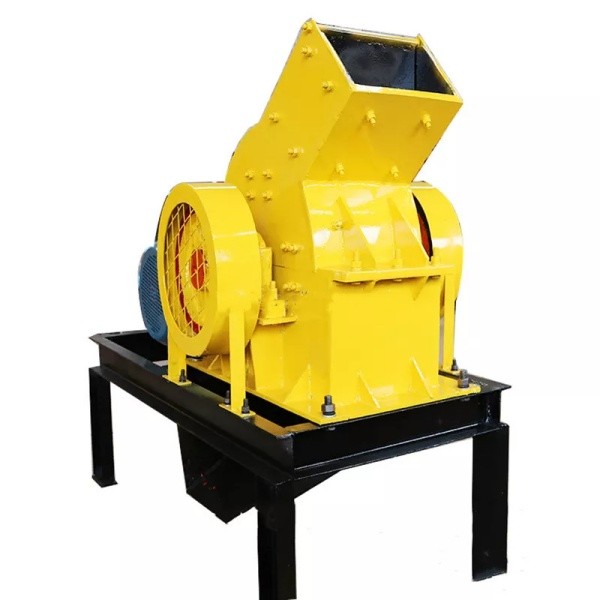
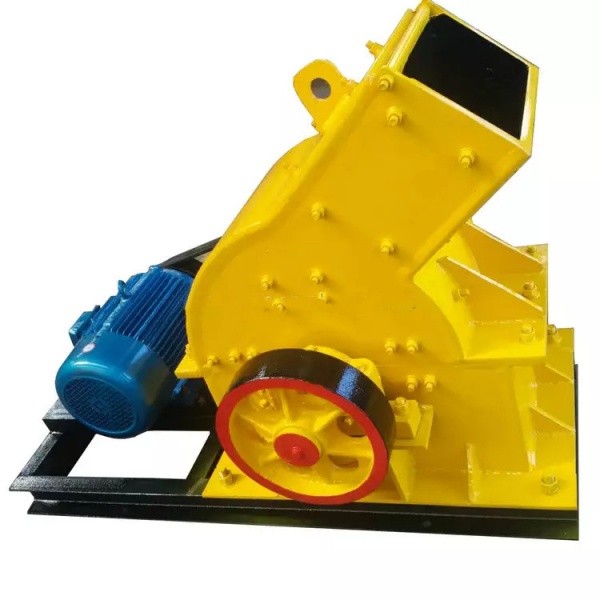
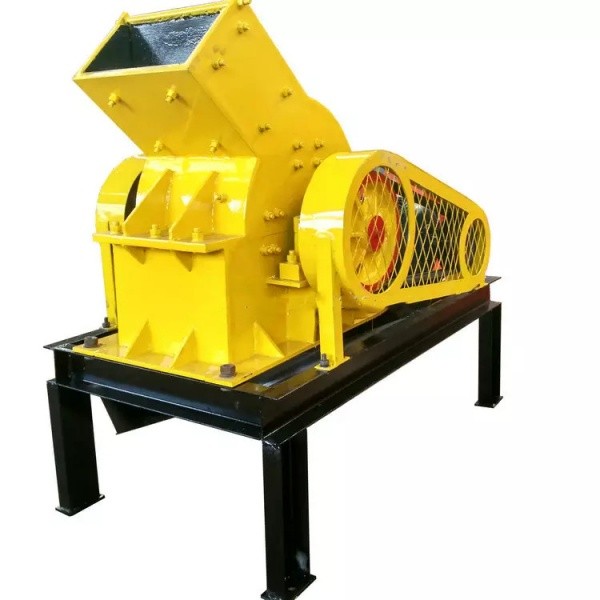
A small hammer crusher is an impact‑style crushing machine.
It uses a high‑speed rotor and hammers to smash materials.This unit has a compact design and takes up little floor space.
It’s easy to operate and handles small feed sizes with moderate output.
Typical feed openings range from 200 to 600 mm.
The machine weighs between 1 and 5 tons, with motors from 5.5 to 37 kW.
This hammer crusher works well for small processing plants, mini mines, building material workshops, construction waste sites, and even feed or biomass applications.
Small Hammer Crusher – Complete Guide
I. What Is a Small Hammer Crusher?
A small hammer crusher is an impact‑style crushing machine.It uses a high‑speed rotor and hammers to smash materials.
This unit has a compact design and takes up little floor space.It’s easy to operate and handles small feed sizes with moderate output.
Typical feed openings range from 200 to 600 mm.The machine weighs between 1 and 5 tons, with motors from 5.5 to 37 kW.
Hourly capacity falls between 1 and 30 tons.You can install it as a fixed unit or mount it on a wheeled chassis for mobile crushing.This hammer crusher works well for small processing plants, mini mines, building material workshops, construction waste sites, and even feed or biomass applications.
Compared with large heavy‑duty hammer crushers, the small version is much lighter.
You don’t need a massive concrete foundation—just a level, hardened floor.
Transport is easy; one truck can move the whole machine.
The purchase price is low, and spare parts cost very little.
Wear items like hammers, liners, and screen bars are simple to replace.
One person can do the job without special tools.
That’s why this hammer crusher appeals to small businesses and individual operators with tight budgets.
I. The crushing principle is the same as bigger hammer crushers.
Material enters the chamber and gets hit by fast‑moving hammers.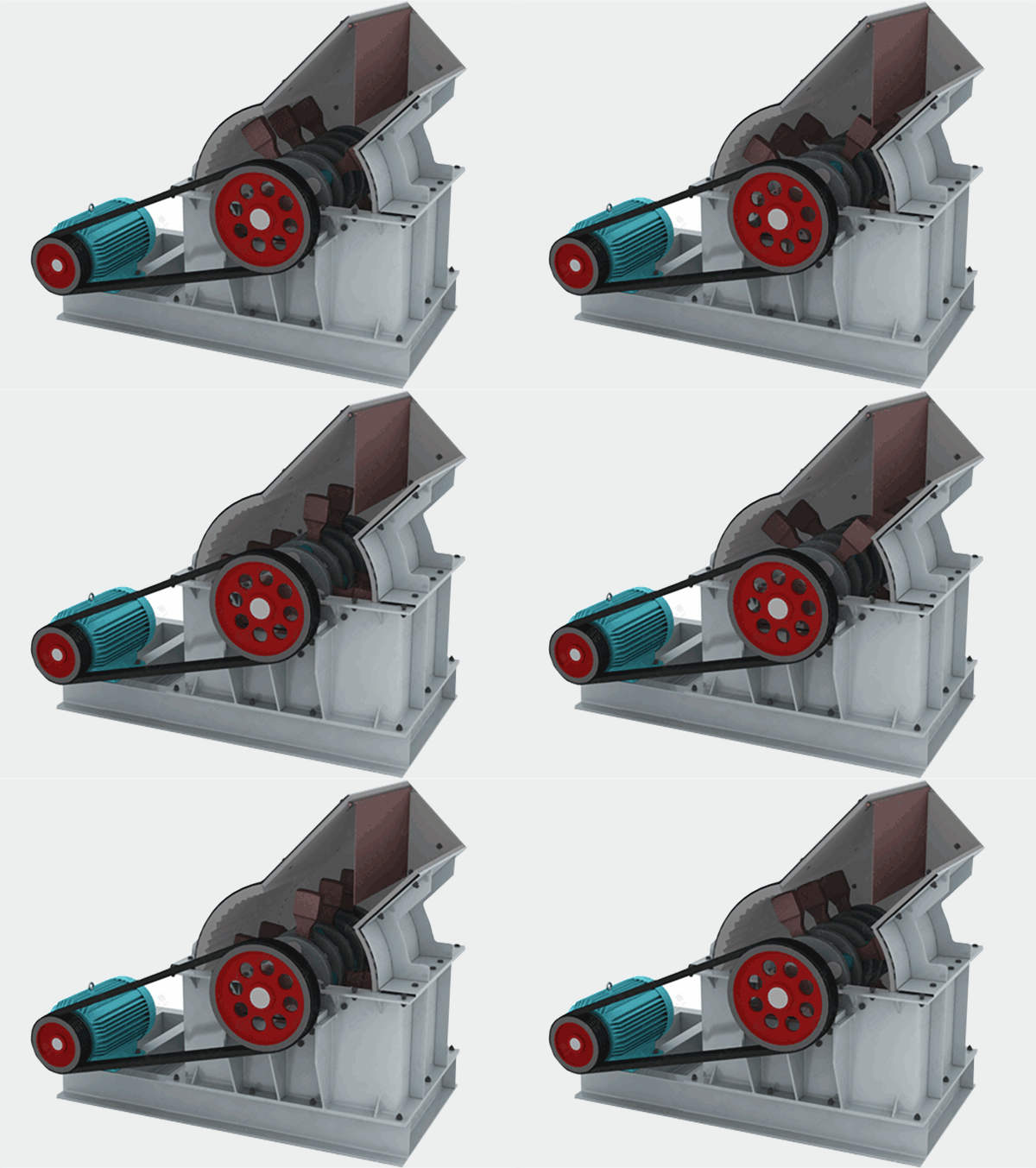
At the same time, particles collide with each other and squeeze against the grate bars.
These three actions break the material down.
Particles that are small enough fall through the gaps in the screen bars.Oversize pieces stay inside and get hit again until they reach the right size.
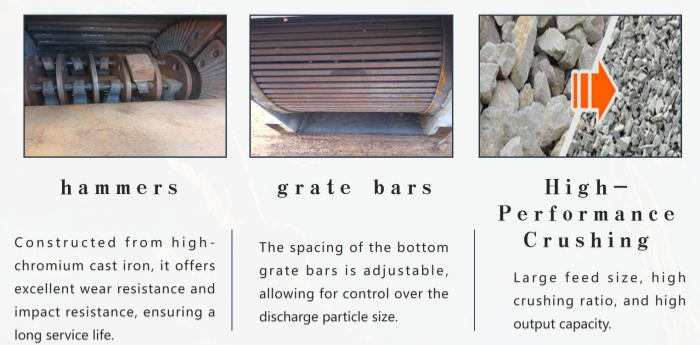
You can adjust the output size by changing the screen bars with different gap widths.
The final product is uniform and works for basic aggregates or powders.
II. Main Components – Simple and Sturdy
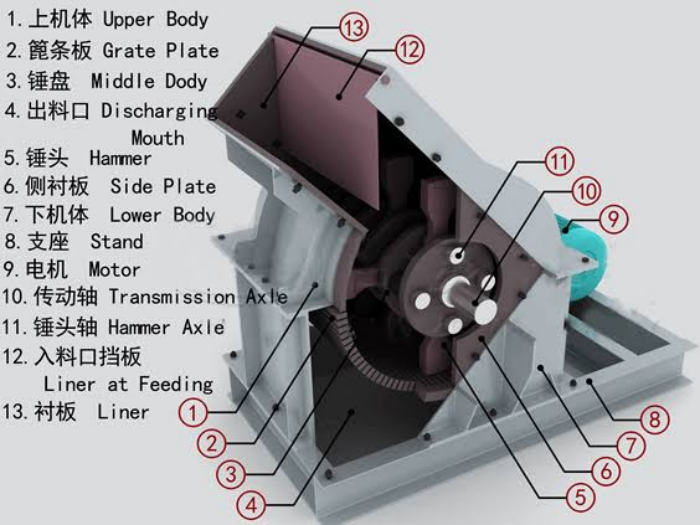
This hammer crusher has only five core parts, with no complex hydraulics.
That keeps failure rates very low.
1. Frame – made from thick welded steel plate.
It has a split top‑and‑bottom design, with a feed inlet on top and side access doors.
Inside, wear‑resistant liners protect the frame from impact.
The bottom section holds the screen bars.
The frame is rigid and vibrates very little.
Smaller models are lighter but still strong enough for easy transport.
2. Rotor Assembly – this is the heart of the hammer crusher.
It includes a main shaft, discs, pins, and hammers.The motor turns the shaft, and the discs spin the hammers around.
Hammers are suspended on pins and swing out by centrifugal force.
Most hammers are high‑manganese steel—tough and wear‑resistant.You can replace worn hammers one by one, without changing the whole rotor.That saves a lot on maintenance costs.
3. Crushing Liners – these line the inner walls of the chamber.
There are impact liners and side liners, both with corrugated surfaces.They cushion the blow from flying stones and also bounce material back for extra crushing.
Most importantly, they shield the steel frame from direct wear.That extends the life of your hammer crusher.
4. Screen Bar System – located right under the rotor.
It consists of multiple steel bars spaced to form screening gaps.The gap size determines your final particle size.
Material that meets the size drops through; bigger pieces stay for more crushing.
This creates a closed‑loop process.If some hard trash gets in, you can open a bottom clean‑out port to clear jams quickly.
5. Drive System – includes an electric motor, pulleys, and V‑belts.The belt drive absorbs shock loads, so the motor stays safer.A protective guard covers the belts to prevent accidents.
Most small hammer crushers use standard three‑phase motors that work with regular rural or construction‑site power.
III. How It Works – Step by Step
You feed material from the top inlet into the crushing chamber.
The motor spins the rotor at high speed, and the hammers fly around with great force.Each hammer hits the material with a powerful blow.Large chunks crack and break apart on impact.
Broken pieces then fly against the chamber liners and shatter again.At the same time, particles smash into each other, grinding finer and finer.
Once the pieces are small enough, they pass through the bottom screen gaps and fall out.Anything too big stays inside and keeps getting pounded until it fits through.
This hammer crusher works best on brittle materials like clay, brick, and limestone.With narrow gaps, you get fine powder; with wider gaps, you get coarse gravel.That makes one machine useful for many jobs.
During operation, the machine’s own weight and rubber pads reduce vibration.Noise stays at a manageable level.
You can add a simple dust collector to meet basic environmental rules.
IV. Where Can You Use This Hammer Crusher?
1. Small‑scale sand and gravel – crush bluestone, limestone, dolomite, or shale into 0‑20 mm aggregate.
Use it for rural roads, yard paving, or small concrete products.
Independent quarries and mountain operators love it because you don’t need a primary crusher first.
Just feed raw stone blocks straight in.
2. Construction waste recycling – crush red bricks, concrete blocks, and cement tiles on demolition sites.
After removing rebar, you get recycled aggregate for backfill or permeable bricks.
Put the hammer crusher on a mobile chassis and take it right to the job.That saves trucking costs for waste removal.
3. Brick and building materials – crush shale, clay, waste bricks, or gypsum into molding powder.
Crushed gypsum works as a cement retarder; coal gangue becomes non‑fired brick material.This hammer crusher fits small and medium brick factories perfectly.
4. Coal and fuel processing – small coal mines use it to break raw coal and gangue into lump coal or briquette feed.
Coking workshops also use it for fine coke crushing.
5. Feed and biomass – with stainless steel options, this hammer crusher can grind corn, soybean meal, stalks, and wood chips.
That makes livestock feed or biomass pellet raw material.Organic fertilizer plants also crush stalks and manure clumps with it.
6. Chemicals and non‑metallic minerals – crush rock salt, talc, phosphate rock, or fertilizer lumps.
The output serves as chemical fillers or de‑icing salt ingredients.It’s a handy tool for small chemical processors.
V. What Makes This Hammer Crusher Stand Out?
First, low investment cost.
The price is much lower than impact or cone crushers.
You don’t need big conveyors or screening systems.That cuts overall project costs and gives you a quicker payback.
Second, compact and easy to move.It’s small and light, so you can drive it down narrow rural roads.
You crush material right where it is, saving transport expenses.
Third, simple to run and fix.There are no complicated hydraulics or electronics.Just start and stop the motor, and change hammers or screen bars when needed.Parts are standard and available at local shops—no expert needed.
Fourth, adjustable output size.Just swap screen bars to produce coarse sand, fine powder, or gravel.One hammer crusher does many different jobs.
Fifth, tiny footprint and fast setup.
No deep concrete foundation required—just put it on flat ground with rubber pads.It’s perfect for workshops with limited space.
VI. Know the Limits – What Not to Do
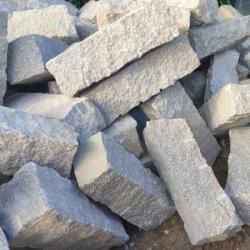
This hammer crusher is not for hard, abrasive rocks like granite, river pebbles, or iron ore.
Those will eat up your hammers fast and drive up costs.Also avoid wet materials with over 15% moisture—like sticky clay or sludge.
They will clog the screen bars and force you to stop.
Dry such materials first before feeding.
Never put in tough metals or rubber.
Always pick out rebar and iron scraps before crushing—they can break hammers and damage the screen bars.
During regular use, check hammer wear often and replace worn parts in time.
Keep feeding steady—don’t dump a huge load at once.
Never open access doors while the machine is running.
Use dust and noise controls to stay within environmental rules.
Technical Parameters
| Model | Max feeding(mm) | Adjustment Rang e(mm) | Motor power (kw) | Capacity (t/h) | Overall Dimension (LxWxH)(mm) |
| PC300x200 | 80 | 0-10 | 5.5 | 2-5 | 700x750x800 |
| PC400x300 | 100 | 0-20 | 7.5 | 5-8 | 844x942x878 |
| PC600x400 | 100 | 0-30 | 18.5 | 8-12 | 1000x1000x1300 |
| PC800x600 | 120 | 0-35 | 45 | 12-18 | 1315x8401500 |
| PC800x800 | 120 | 0-45 | 55 | 20-25 | 1515x2831x1040 |
| PC1010 | 600 | 0-100 | 75 | 50-90 | 1524x1950x1864 |
| PC1210 | 600 | 0-100 | 75 | 80-120 | 1524x2150x1864 |
| PC1412 | 700 | 0-100 | 132 | 100-200 | 1900x2316x2185 |
| PC1614 | 800 | 0-100 | 90x2 | 120-240 | 2120x2572x2670 |
Note: Technical data are subject to change without prior notice.
VII. Operation & Maintenance – A Practical Guide
Pre‑start Inspection – Every Shift
Check the outside and structure.
Look at the frame and welds—any cracks or deformation?
Make sure gaskets on doors and covers are intact, and all bolts are tight.
That stops leaks and flying debris.
---
Inspect rotor and hammers.
Turn off power, open the side door, and look at the high‑manganese hammers.
If any hammer has severe wear, notches, cracks, or is loose, change the whole set.
Check pins and cotter pins too—they must not be broken or missing.
Make sure rotor discs are not bent or cracked.
---
Check the screen bars.
They should be straight, not clogged, with no material caked in the gaps.
Verify the locking blocks are tight and gaps are even—uneven gaps give you uneven product size.
---
Examine the drive system.
V‑belts must have the right tension and no cracks, aging, or peeling.
Check that the pulley guard is solid and the rubber damping pads are in good shape.
Damaged pads cause heavy vibration.
---
Inspect electrical parts.
Motor connections must be secure and the ground wire properly connected.
Look for frayed cables or leaky switches.
Ensure dust‑removal spray pipes are clear and collection bags are not torn.
---
Check material and site.
Clear the feed inlet of any trash.
Sort out rebar, iron pieces, and large hard metals—they can wreck your hammer crusher.
Measure moisture; if it’s over 15%, dry the material first.
Also make sure the feed chute is clear and the hopper has no buildup.
Never dump a big load all at once into a small machine.
---
Startup – Do It Right
Start with no load.
Clear any leftover material from the chamber, close all doors, and keep people away.
Turn on the motor and let it idle for 3‑5 minutes.
Watch for heavy shaking, strange noises, overheating, or belt slipping.
If you see smoke or hear severe impacts, cut the power immediately.
Don’t feed anything until you fix the problem.
---
Feeding – Steady and Even
Only start feeding after the idle run is smooth.
Follow the rule: small amounts, continuous flow, even feed.
If you feed by hand, control each batch size.
Don’t throw large stones in hard—they can jam the inlet.
If you use a conveyor, set a steady speed.
If you notice the discharge slowing down or the machine sounds muffled, stop feeding right away.
That’s a sign of clogging.
Forcing more material will overload and burn out the motor.
---
Stand to the side during operation.
Never stand directly in front of the feed or discharge openings—stones can fly out and hurt you.
---
Handling Emergencies
If the machine stalls from clogging, cut the main power immediately.
Wait until the rotor stops completely, then open the bottom clean‑out port and remove the jam.
Never reach inside while the rotor is still moving.
Use tools to pull out stuck objects—never use your bare hands.
If bearings overheat, noises persist, or belts slip, shut down and investigate.
Don’t keep running a faulty hammer crusher.
---
Shutdown – Proper Order
For normal shutdown: first stop feeding, let the machine idle for 2‑3 minutes to clear all material, then turn off the motor, and finally cut the main power.
For emergency: if the frame cracks, motor catches fire, or there’s electrical shock, hit the emergency stop right away.
After power is off, do a full inspection.
If you stop for a long time, clean out all dust and residue, and cover the machine.
---
Daily Maintenance – After Each Shift
Clean the machine.
Remove powder and sticky material from the inlet, chamber, and screen gaps.
Wipe the outside and wash off dust.
If you worked in wet conditions, dry the frame and bearing housings to prevent rust.
---
Quick check of wear parts.
Look at hammers, liners, and screen bars—record how much they’ve worn.
Order replacements before they reach the limit.
---
Drive maintenance.
Clean dust and oil off pulleys and belts.
Check belt tightness; if loose, adjust the motor base bolts.
Also clear dust from inside the belt guard.
---
Bearing lubrication – very important!
The main shaft bearings take a lot of stress.
Apply lithium grease every shift.
If the environment is very dusty, grease every 4 hours; in a clean workshop, once a day is enough.
Add small amounts often—too much grease causes overheating.
Every 30 days, remove the bearing caps, clean out old grease, and pack fresh grease.
This stops dust from getting in and causing bearing seizure.
---
Tighten all bolts.
Vibration loosens bolts on the casing, liners, screen clamps, and motor base.
Retighten them regularly to prevent parts from falling off.
---
Check dust protection.
Inspect dust bags and spray pipes—replace any that are torn or blocked.
Good dust control keeps bearings and motor cleaner.
---
Weekly Minor Maintenance
Once a week, do a more thorough check.
Open up and inspect the rotor assembly: hammers, pins, and cotter pins for wear or bending.
Replace any liner plate if wear depth exceeds one‑third of its thickness.
Straighten bent screen bars or replace them if badly clogged.
Also clean the motor cooling fan to keep heat dissipation good.
---
Monthly Intermediate Maintenance
Every month:
1. Take off bearing housings, clean bearings, and put in fresh grease.
Check bearing clearance—if they wobble or make noise, replace them.
2. Check rotor dynamic balance.
If hammers wear unevenly, the machine shakes badly—so always replace hammers in matching pairs to keep weight balanced.
3. Inspect frame welds and base for cracks.
Weld and reinforce any cracks right away.
4. Test motor insulation and look for aged wires.
Replace any damaged cables.
---
Quarterly Major Overhaul
Every three months, do a full teardown.
Replace all severely worn parts: liners, screen bars, and the complete set of hammers.
Check the main shaft for bending, scoring, or wear—repair or replace it if needed.
Inspect all rubber damping pads and change them as a set.
Open the electrical box, clean out dust, tighten all terminal connections, and test switch sensitivity.
---
Replacing Wear Parts – Key Tips
Hammer replacement: always lock out power first.
Replace hammers in full symmetrical sets—if one side is heavier than the other, the rotor goes out of balance and vibrates badly.
If a hammer is only worn on one edge, you can flip it to use the other side.
But if it has holes or cracks, scrap it immediately.
---
Screen bar replacement: remove the clamping blocks and pull out damaged bars.
Install new bars of the exact same size, with even gaps, and clamp both ends tightly.
Loose bars can move and hit the rotor during operation.
---
Liner replacement: when impact liners get too thin, change them promptly.
If you leave missing liners, the steel frame wears out fast and the machine’s life shortens.
---
Common Problems – How to Prevent Them
1. Stalling / clogging – control moisture, feed evenly, clean screen gaps often, and keep out large debris.
2. Heavy vibration – usually from uneven hammer weights, rotor imbalance, bad damping pads, or loose anchor bolts.
Fix by replacing hammers in pairs and tightening all base bolts.
3. Bearing overheating – follow the grease schedule strictly and keep dust out of bearings.
4. Oversized output – screen bars are worn or gaps are too wide.
Replace screen bars immediately.
5. Belt slipping – belts are old or too loose.
Adjust motor position or install new belts.
---
Safety Rules – No Exceptions
Always cut power and lock out the machine before any repair or parts replacement.
Hang a “Do Not Operate” tag on the starter.
Never open access doors or reach inside while the rotor is turning.
Never step over moving belts.
Operators must wear safety glasses, dust masks, and heavy gloves.
Keep a fire extinguisher nearby.
For mobile units, before towing, tighten all loose parts, fold up cables, and never run the crusher during transport.
Never feed metal, rubber, or hard stones like granite or river pebbles—they damage the machine and raise costs.
---
Long‑Term Storage (Over 15 Days)
Empty the crushing chamber completely.
Wash and dry the whole machine, then coat exposed metal parts with anti‑rust grease.
Wrap the motor and bearings in plastic to keep out dust and moisture.
Store the unit in a dry, covered area.
Take off the V‑belts and keep them separately so they don’t deform under pressure.
Once a month, run the machine without load for 5 minutes to stop bearings from rusting or seizing.
VIII. Who Is This Hammer Crusher For?
This small hammer crusher is a basic, entry‑level fine crusher.
It’s built for individual operators, small workshops, temporary job sites, and village‑scale production lines.
It gives up huge capacity and extreme durability, but in return you get low cost, high mobility, and easy maintenance.
It focuses on soft to medium‑brittle materials.
---
In rural construction, waste recycling, small brickmaking, feed and biomass—this hammer crusher offers unbeatable value for money.
It can’t replace giant crushers for hard rock, but if your output is modest, space is tight, and budget is limited, it’s the practical and economical choice.
For many small‑scale resource projects and stone processing yards, this hammer crusher remains the core workhorse.
Contact: Hebe Wang
Phone: +86 150 9289 4665
Tel: +86 150 9289 4665
Email: info@sandmancrusher.com
Add: No.23 Yihe Road,Linyi City, Shandong Province, China
We chat