info@sandmancrusher.com
+86 150 9289 4665

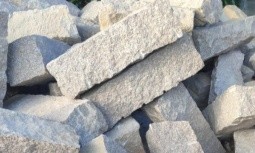
Granite crushing equipment is a complete hard-rock processing line, including jaw crusher, cone crusher and sand maker. It features high efficiency, good grain shape and long service life.
When choosing a stone crusher, it's important to understand the type and hardness of the material stones
How to Choose Crushing Equipment Based on Stone Type?
I.gneous rocks: formed by the cooling and solidification of magma underground or on the Earth's surface. Common rocks include granite, basalt, andesite, rhyolite, and diabase. These rocks have a Mohs hardness of 5-7. They possess high hardness, high compressive strength, and good wear resistance. Crushing these rocks is very difficult and can lead to severe wear on durable parts.
For these rocks, high-compressive-strength crushers are required, such as jaw crushers. Crushing production lines typically require three stages: coarse crushing, medium crushing, and fine crushing.
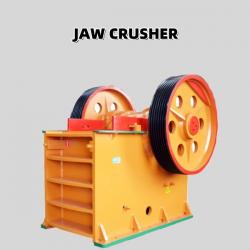
The PE series jaw crusher is the preferred equipment for the coarse crushing stage. This equipment is suitable for hard rocks with compressive strength up to 320MPa. It has a simple structure, and is especially suitable for large granite blocks.
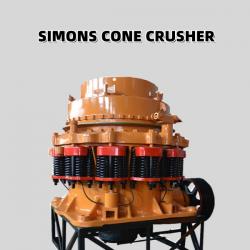
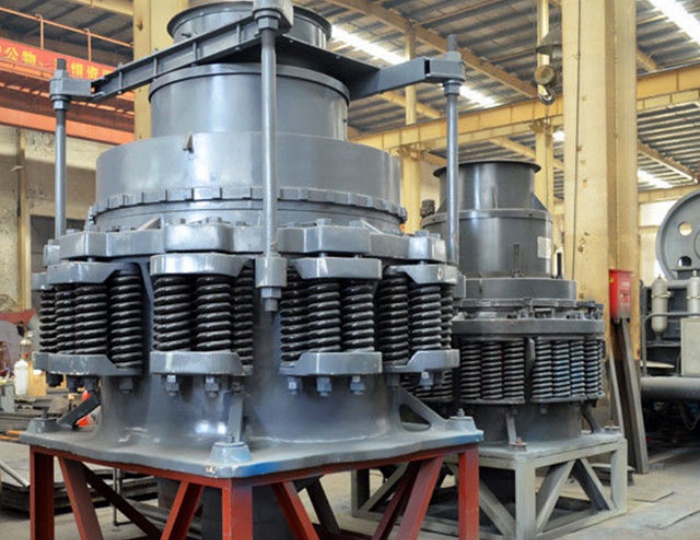
For the medium crushing stage, you can choose the PYS series cone crusher. Cone crusher can crush high-hardness rocks, it has a long wear-resistant component life, and has excellent finished particle shape.
If you need to make sand, a sand making stage is necessary. For sand making, you need to use a vertical VSI sand making, it is suitable for granite sand making.
II. Sedimentary rocks are formed from previously formed rocks through weathering, transportation, deposition, and compaction. Common rocks include limestone, sandstone, mudstone, shale, dolomite, and conglomerate. These rocks have a Mohs hardness of 2-5 Mohs, often exhibit bedding, and are easily crushed with minimal abrasion, resulting in high yields. Crushing these rocks typically involves three stages: coarse crushing, medium crushing, or fine crushing.
Jaw crushers are chosen for coarse crushing. Jaw crushers are suitable for large raw materials, have a simple structure, and a low failure rate.
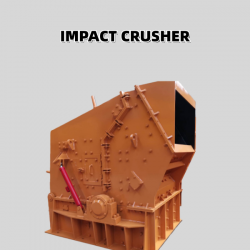
For medium crushing, impact crushers can be selected. Impact crushers are suitable for soft rocks. They offer high crushing efficiency, produce good particle shape, and can produce round particles. If the budget allows, cone crushers can also be chosen.
III. Metamorphic rocks are formed from pre-existing rocks through high-temperature and high-pressure metamorphism. Common metamorphic rocks include: marble (the precursor to limestone), quartzite (the precursor to sandstone), gneiss (the precursor to granite), and slate. Marble has a Mohs hardness of 3-4 Mohs, making it relatively soft; quartzite and gneiss have a Mohs hardness of 6-7 Mohs, making them relatively hard. For these types of rocks, a suitable crusher can be selected based on the rock's hardness. For softer rocks, a jaw crusher-impact crusher is selected; for harder rocks, a jaw crusher-cone crusher is selected.
Next, let's discuss in detail how to choose a granite crushing equipment.
1. What are the characteristics of granite?
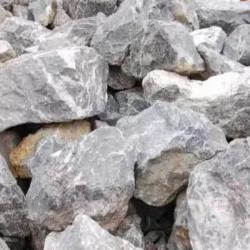
Granite is an acidic igneous rock, formed by the slow cooling and crystallization of underground magma. It is the most common high-hardness rock used in mining crushing. It has a dense and hard texture, with a Mohs hardness of 6-7. Furthermore, granite has high compressive strength, generally 100-150 MPa.
Granite aggregates offer many benefits: high compressive strength, excellent wear and impact resistance. They are durable, long-lasting, and resistant to crushing, with high density, good frost resistance. Their strong load-bearing capacity makes them widely used in high-speed railways, highways, airports, bridges and other high-grade projects.
2. How to choose a granite crushing equipment?
To choose the right granite crushing equipment, you need to understand the following three aspects:
I. What size of granite material do you want to crush?
Select the appropriate granite crushing equipment based on the size of the feed material. If stones are large (>500mm), you can choose a jaw crusher PE600X900 as primary crushing, For medium and fine crushing, you need a PYS-B1321 cone crusher.
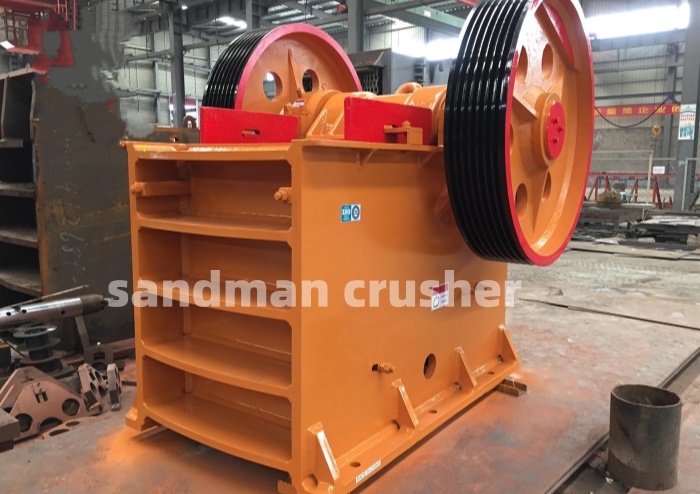
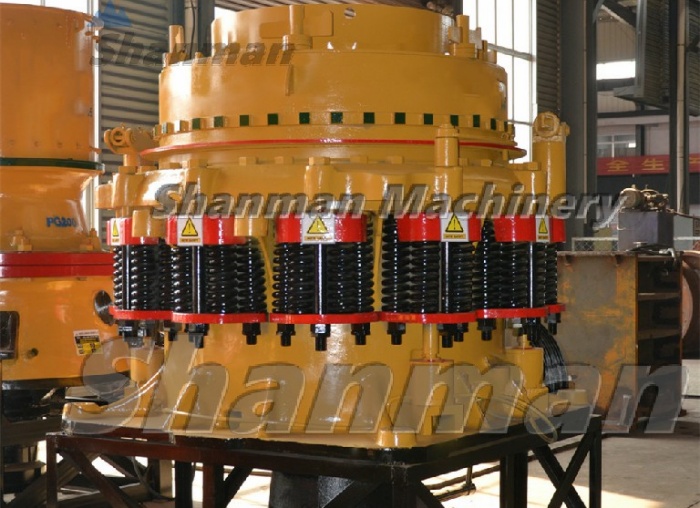
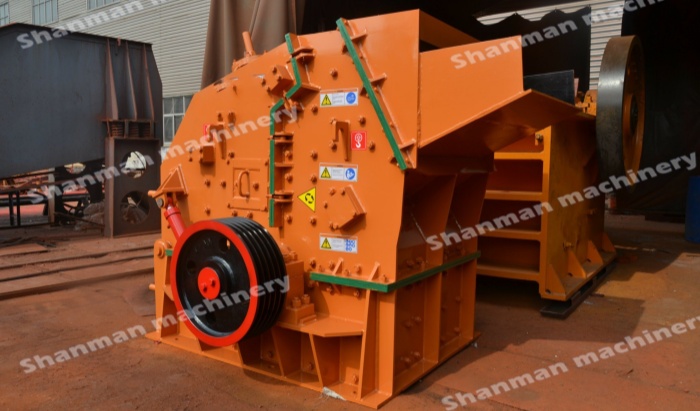
If material granite stones are small to medium-sized (<300mm), you can choose a smaller jaw crusher (PE400x600) as primary granite crushing, then use a jaw crusher (PE250X1000) as secondary crushing. You also can use an impact crusher (PF1010), or a cone crusher (PYB900).
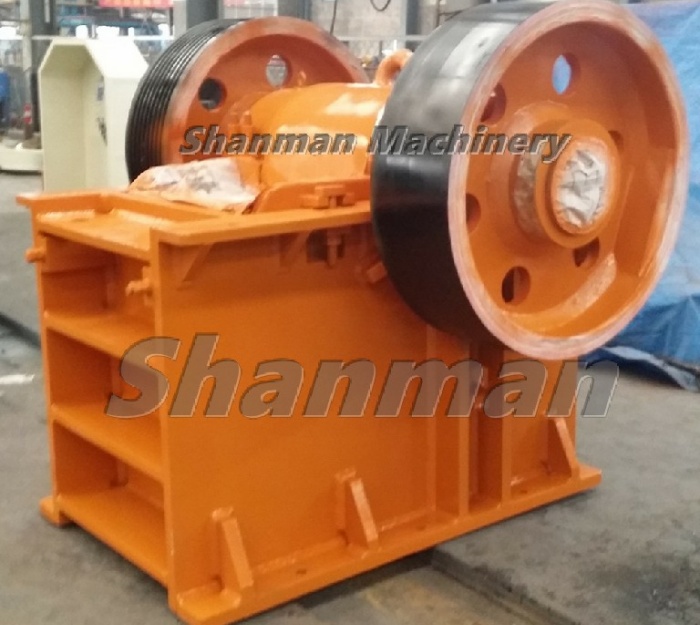
II. What is your required output capacity?
Choosing the granite crushing equipment model requires knowing your production capacity. If your capacity is high, choose a larger crusher; if your production capacity is low, choose a smaller one. Sandman can provide you with granite crushing equipment of varying capacities.
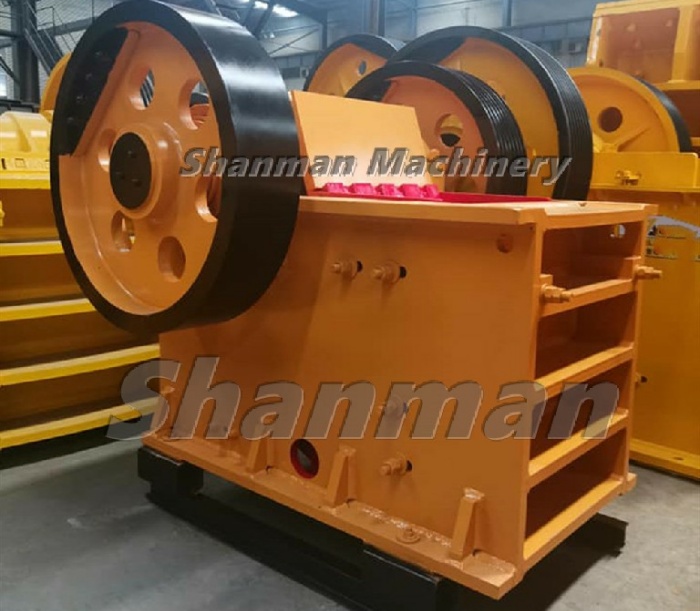
If you require a medium output capacity, such as 60-80 tons per hour, you can choose a primary jaw crusher (PE500×750) and then a medium granite crushing (PYB900).
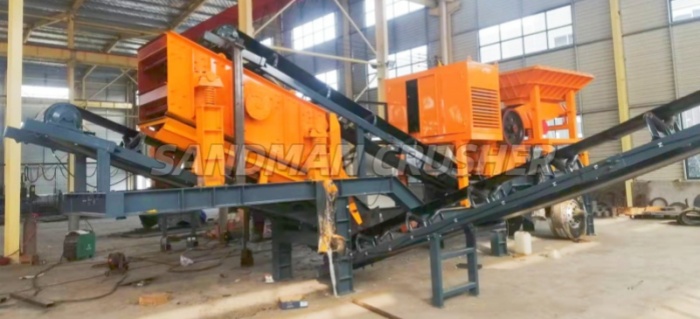
If your capacity is small, such as 10-20 tons per hour, then our popular four-in-one small mobile crushing plant is your best choice. It includes feeding, crushing, screening, and conveying functions, and one unit can complete the entire granite crushing production process.
If you require a larger capacity, such as 80-120 tons per hour, we recommend a PE 600×900 jaw crusher for primary crushing and a PYBS1321 cone crusher for secondary crushing for the granite crushing. These offer high output, high efficiency, stable operation, and manageable investment.
III. What are the different output particle sizes you require after granite crushing?
The size and type of output particles are also factors that influence the selection of granite crushing equipment.
For large stones (40-80mm), a single jaw crusher for coarse crushing is sufficient. If the output sizes are 0-10mm (3/8"), 10-20mm (3/4"), 20-40mm (1 1/2"), etc., you need to equip a jaw crusher + a cone crusher.
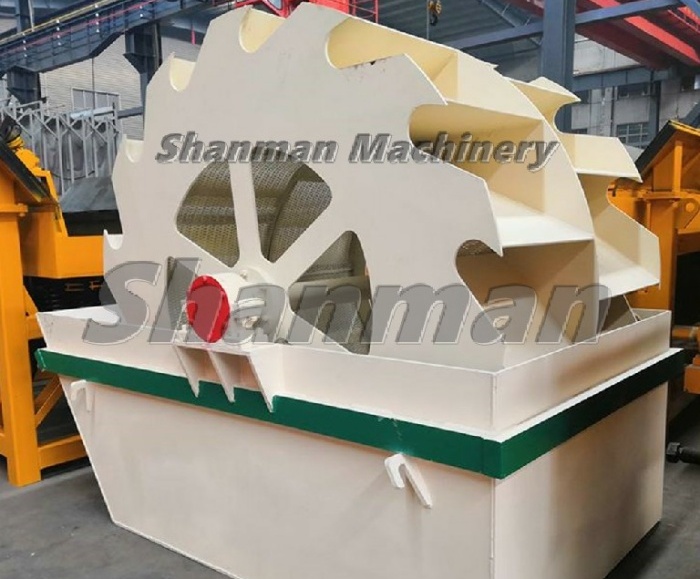
If you want to make sand, you need to use a VSI sand making machine and sand washer.
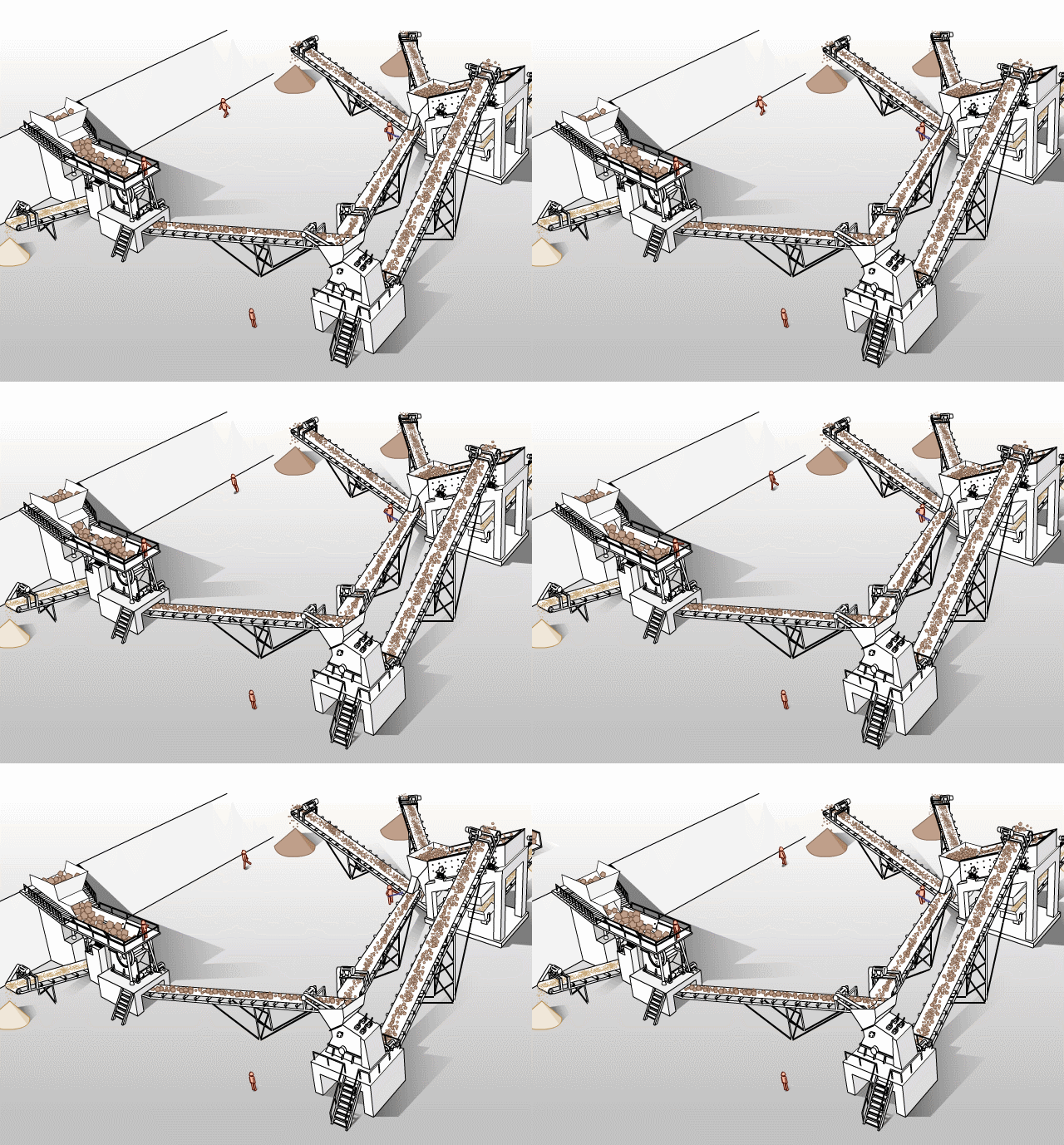
Generally, a complete granite crushing production line includes the following three stages:
Stage 1: Coarse Crushing: Larger granite blocks are evenly fed into the jaw crusher for coarse crushing. After sieving by a vibrating screen, the crushed material is transfered by a belt conveyor to a cone crusher for medium and fine crushing.
Stage 2: Medium and Fine Crushing: The granite material transfered to the cone crusher is finely crushed and then screened by a circular vibrating screen. Particle sizes greater than 40mm will be transfered back to cone crusher for further crushing.
Stage 3: Sand Making
Granite particles larger than 20 mm after crushing are sent to a VSI sand making machine for further crushing and shaping. Materials smaller than 20 mm are sent to a circular vibrating screen for screening and packaging. If necessary, the materials can be sent to a sand washing machine for cleaning.
Note: For those with strict requirements on the powder content of the sand, a sand washing machine can be added behind the fine sand. The sewage discharged from the sand washing machine can be recycled through the fine sand recovery device.it can reduce environmental pollution and increase sand production output.
Besides the main crushing equipment, what other equipment is needed for a complete granite production line?
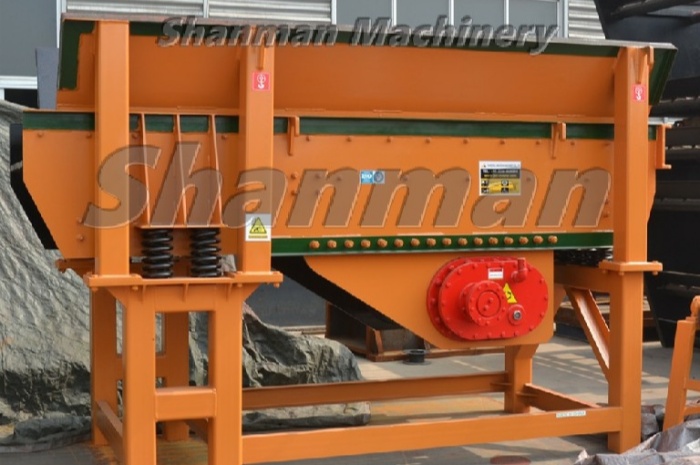
1. Vibrating Feeder: The main function of the vibrating feeder is to uniformly, continuously, and quantitatively feed the stone into the crusher, preventing blockage and overloading.
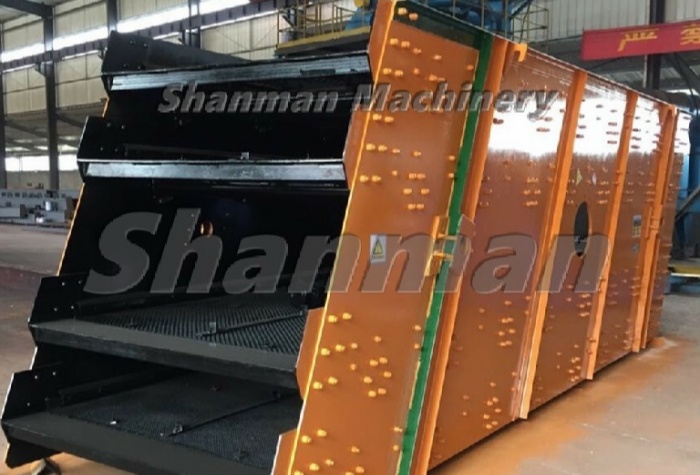
2. Vibrating Screen: The vibrating screen is used to classify the crushed granite according to different particle sizes, separating it into finished sand, 3/4", 3/8", and other different size specifications.
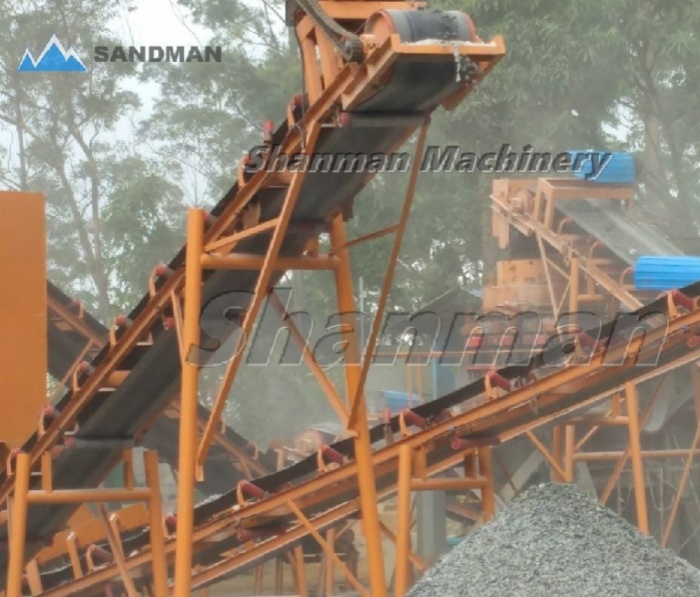
3. Belt Conveyor: The conveyor belt is responsible for transferring the stone between the feeder, crusher, vibrating screen, and finished product stockpile, enabling continuous automated production throughout the entire line.
Sandman crushing and screening experts will give you the most suitable crushing and screening solution.
Contact: Hebe Wang
Phone: +86 150 9289 4665
Tel: +86 150 9289 4665
Email: info@sandmancrusher.com
Add: No.23 Yihe Road,Linyi City, Shandong Province, China
We chat