info@sandmancrusher.com
+86 150 9289 4665

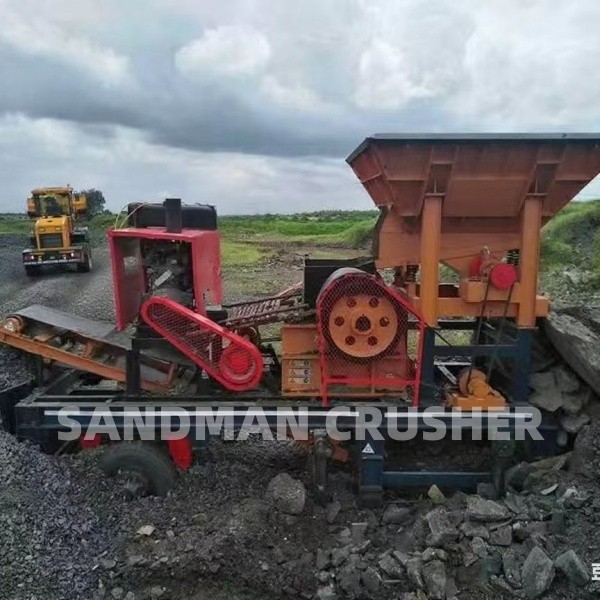
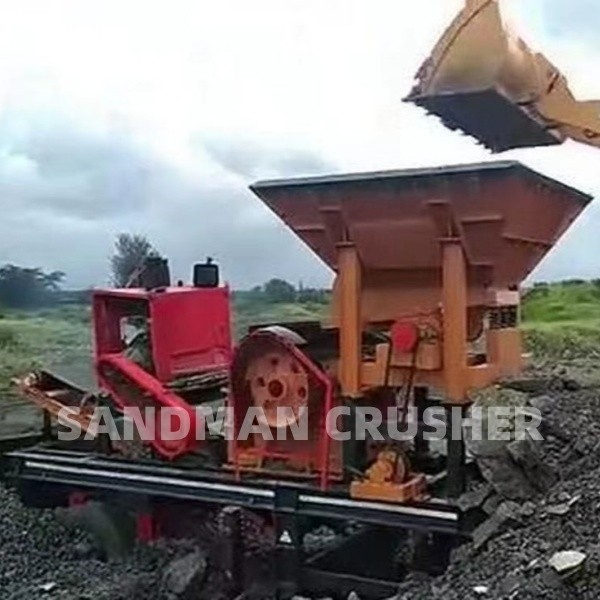
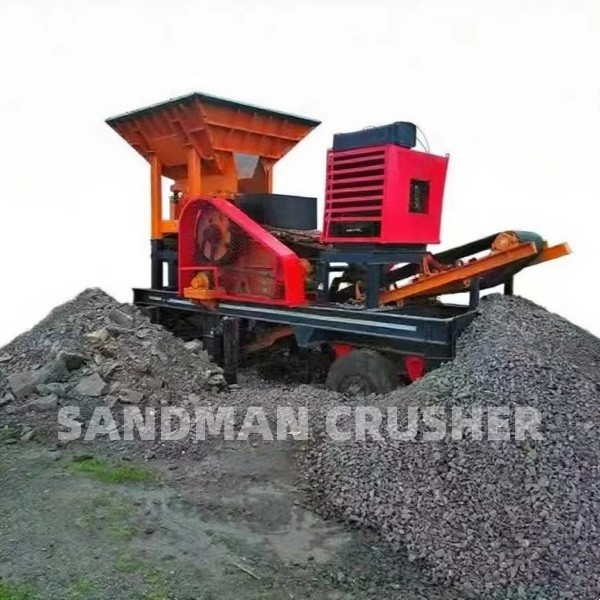
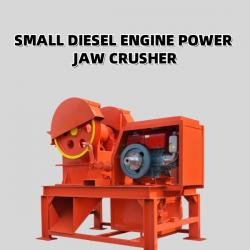
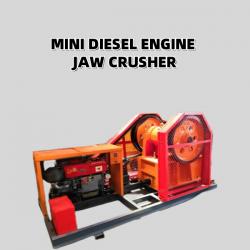
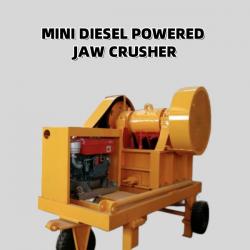
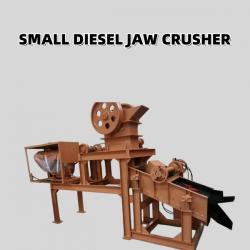
20-40tph mobile crushing and screening plant are used for crushing concrete stones, Compact structure and simple operation
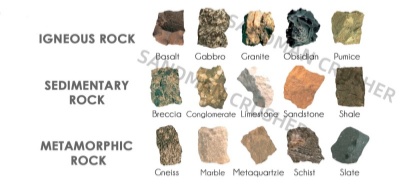
Suitable materials: Granite, marble, basalt, limestone, quartz stone, river pebbles, iron ore, copper ore, demolition, glass, waste bricks,etc.
What are mobile crushing and screening plant?
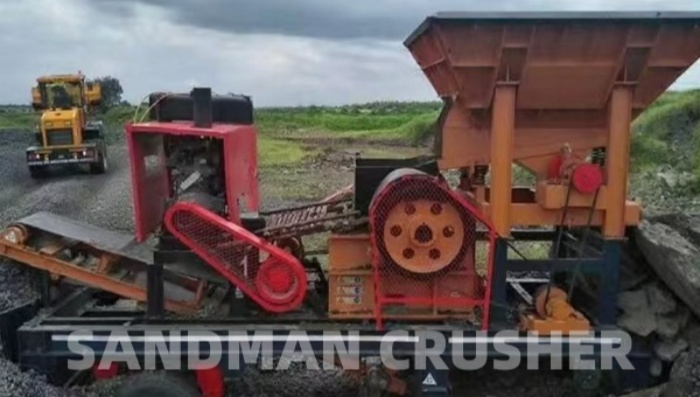
mobile crushing and screening plant are stone crushing machine. It crushes rocks into small aggregates, such as granite, limestone, and pebbles. It has feeding, crushing, power, and conveying all on one movable frame.
What are application areas of mobile crushing and screening plant?
It works well for quarry sites, construction sites, road building, mining, and recycling waste concrete and bricks.
What are processable materials of mobile crushing and screening plant?
This equipment works well with many kinds of materials. It can crush various medium-to-high hardness materials. It is suitable for rocks such as granite, basalt, limestone, sandstone, and pebbles.
Portable rock crushers can crush metal ores such as iron ore and quartz; it also can break construction waste such as concrete blocks, bricks.
What is the output capacity of mobile crushing and screening plant?
The small mobile jaw crusher is designed for small-to-medium-scale production needs, with a stable output range of 20-40 tons per hour.
What is feed size of pmobile crushing and screening plant
The small portable jaw crusher has a reasonably designed feed inlet with a maximum feed size of 210mm.
What is discharge size of mobile crushing and screening plant?
You can adjust the discharge size from 20 mm to 80 mm to meet your actual production needs. You can control the finished particle size by changing the jaw crusher’s discharge gap.
It works for both coarse and medium crushing. You only get one kind of finished product, such as 0-20mm, because this machine doesn’t have a vibrating screen.
What is working principle?
The small mobile jaw crusher adopts a mature compression crushing principle. You feed raw material through a hopper feeder. The vibrating feeder can stop blockages and makes feeding even.
After stones enter the jaw crusher, the moving and fixed jaw plates squeeze them to crush them. A conveyor then piles up the crushed material.
What are main components of portable rock crushers?
The rock crusher has a simple structure. Its core components mainly include: a feeder, a jaw crusher, a diesel engine, a conveyor belt, and a mobile frame.
What is technical parameters of mobile crushing and screening plant?
| Model | DHM2512 |
| Capacity | 20-70 tons per hour(average 40tph) |
| Jaw feed opening | 210*1200mm |
| Feed input size | <210mm, or smaller in all directions, max slab size 210 W*1200 L mm. |
| Product output size | 0-90mm(1 type output size) |
| Power system | Weichai 75kw diesel engine |
| Fuel consumption | about 19 liters per hour. |
| conveyor belts | 1 |
| Crushing material | soft to hard rocks, such as limestone, pavers, bricks, concrete, granite, glass, pebble river stones, etc. |
| Configuration | Jaw crusher, hopper, vibrating feeder, conveyor belt. |
Note: Technical data are subject to change without prior notice.
What are advantages of portable rock crushers?
The small crusher has excellent performance advantages.
1. It is highly mobile and you can tow it quickly.
2. You can use it right after delivery. You do not need to build a complex foundation.
3. It’s all in one unit, easy to operate, and only needs one person to run it.
4. Single-person operation saves labor costs.
5. This equipment uses a diesel engine for power, adaptable to environments with limited power supply.
6. It operates stably, has strong wear resistance, and its parts are highly wear-resistant.
What are main wear parts of portable rock crushers?
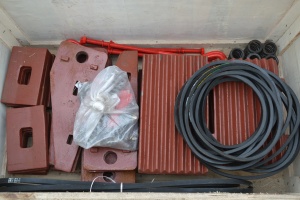
During daily operation, the main wear parts of the equipment include the moving jaw plate, fixed jaw plate, and conveyor belt. The moving and fixed jaw plates touch the material directly for a long time, so they wear out the fastest. These are critical wear parts requiring regular inspection and replacement.
What is daily maintenance for portable rock crushers?
1. Before starting the machine, check that all fasteners are tight, check the jaw plates and conveyor belt. Add lubricating oil to key rotating parts, such as bearings and eccentric shafts, this helps ensure good lubrication.
2. After the machine stops, clean any leftover material inside and outside the equipment. Check wear parts for damage and record the equipment’s operating status.
3. Regularly check conveyor belt tension and diesel engine status. Replace worn parts. Perform full equipment maintenance on a regular schedule.
How often do you need to replace wear parts (such as jaw plates)?
It all depends on the hardness of the stone you are crushing. Hard rocks (such as granite) will wear down parts faster than softer limestone. We can help you predict the necessary parts to ensure timely replacement.
What information do you need from me to provide an accurate quote?
Answer: To give you the most accurate quote, our specialists will typically ask about:
1) The type of material you're crushing,
2) Your desired tons-per-hour output,
3) The target size of your final product.
With this information, we can configure the perfect machine or complete processing line for your needs.
Contact: Hebe Wang
Phone: +86 150 9289 4665
Tel: +86 150 9289 4665
Email: info@sandmancrusher.com
Add: No.23 Yihe Road,Linyi City, Shandong Province, China
We chat